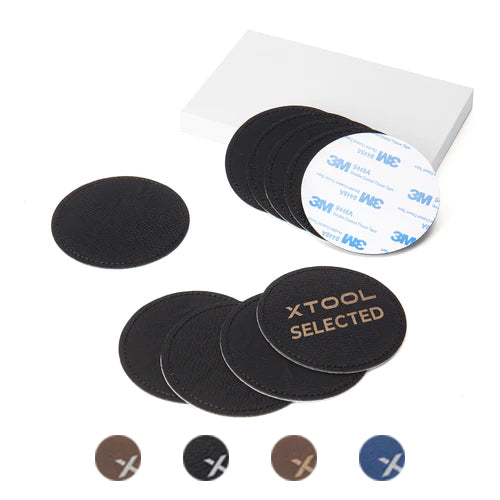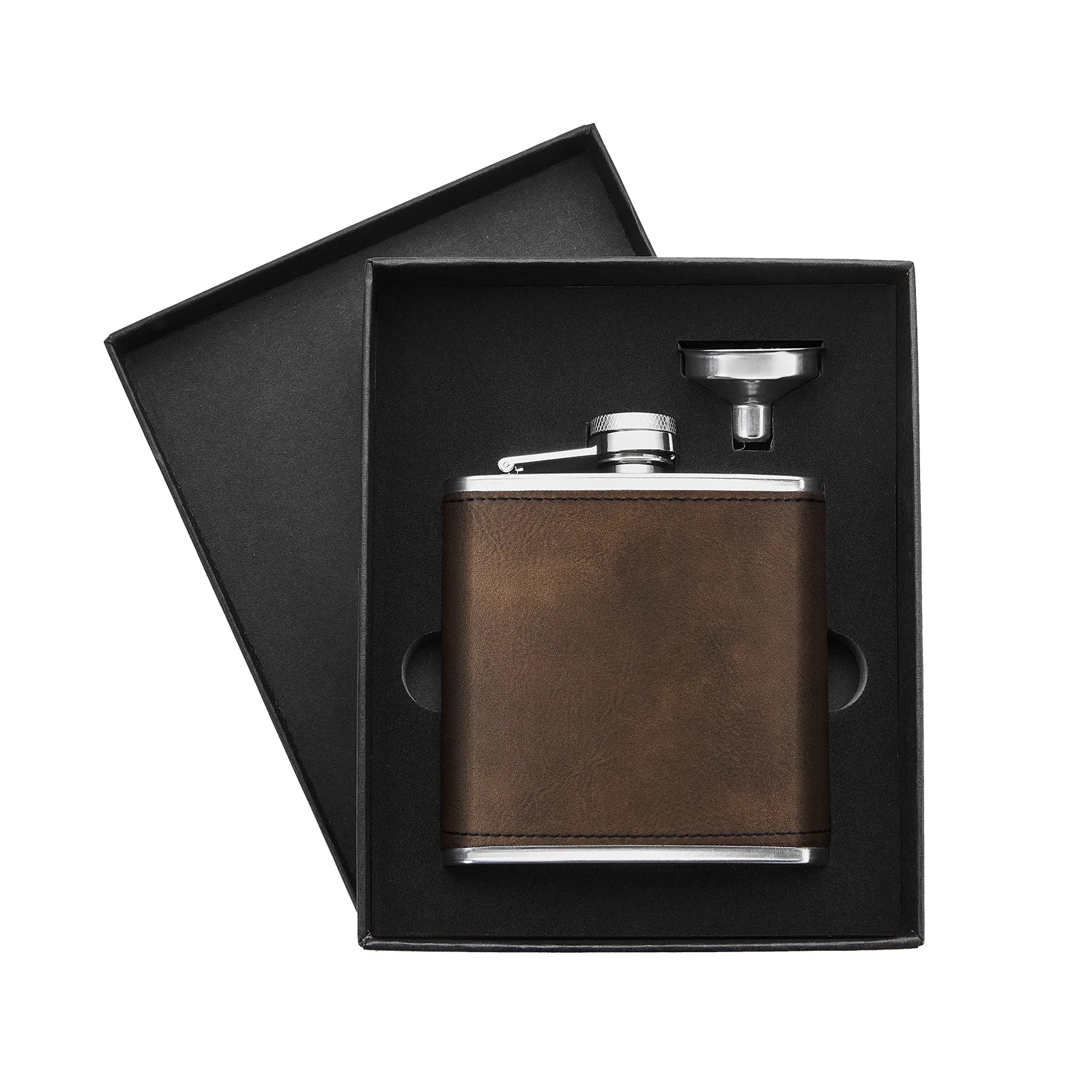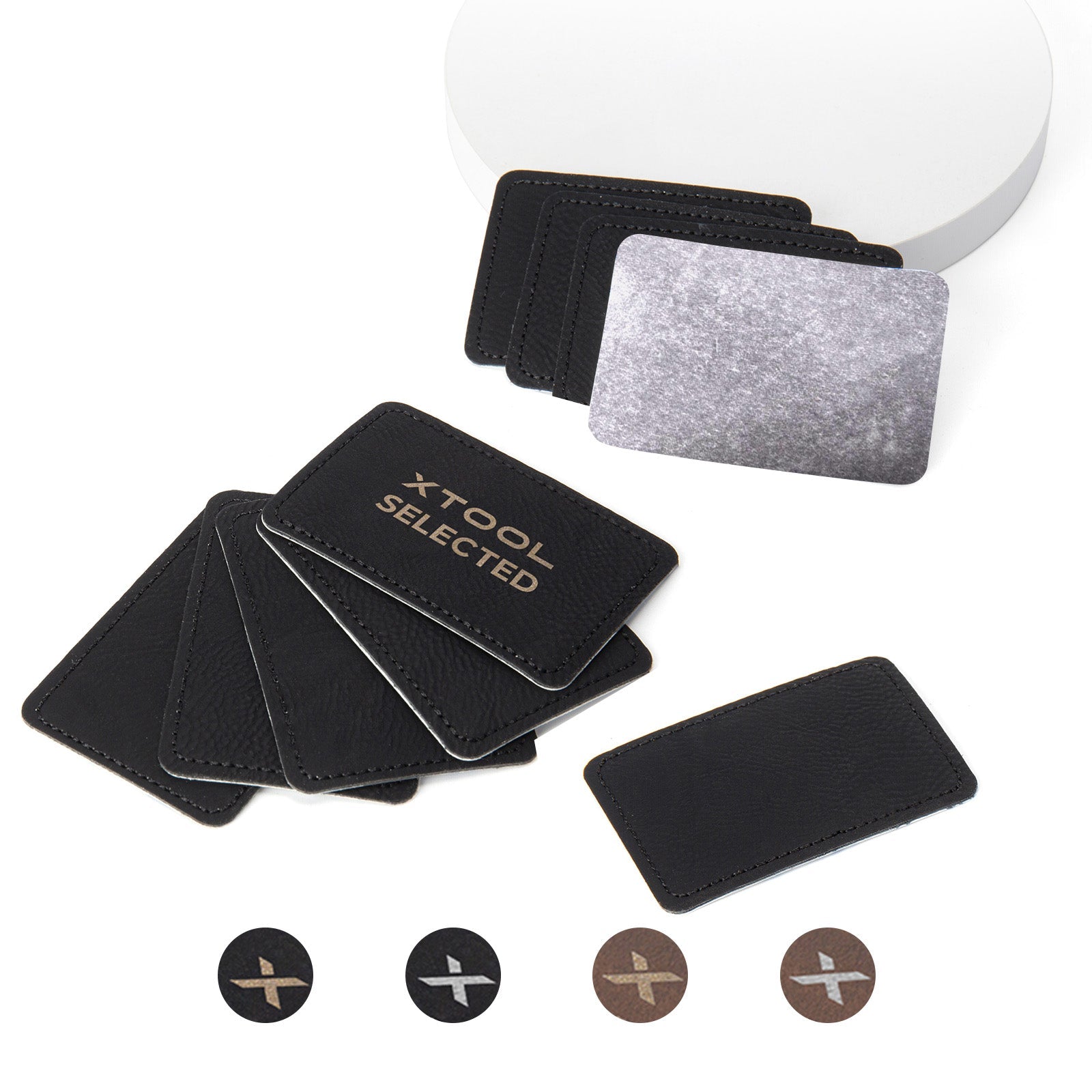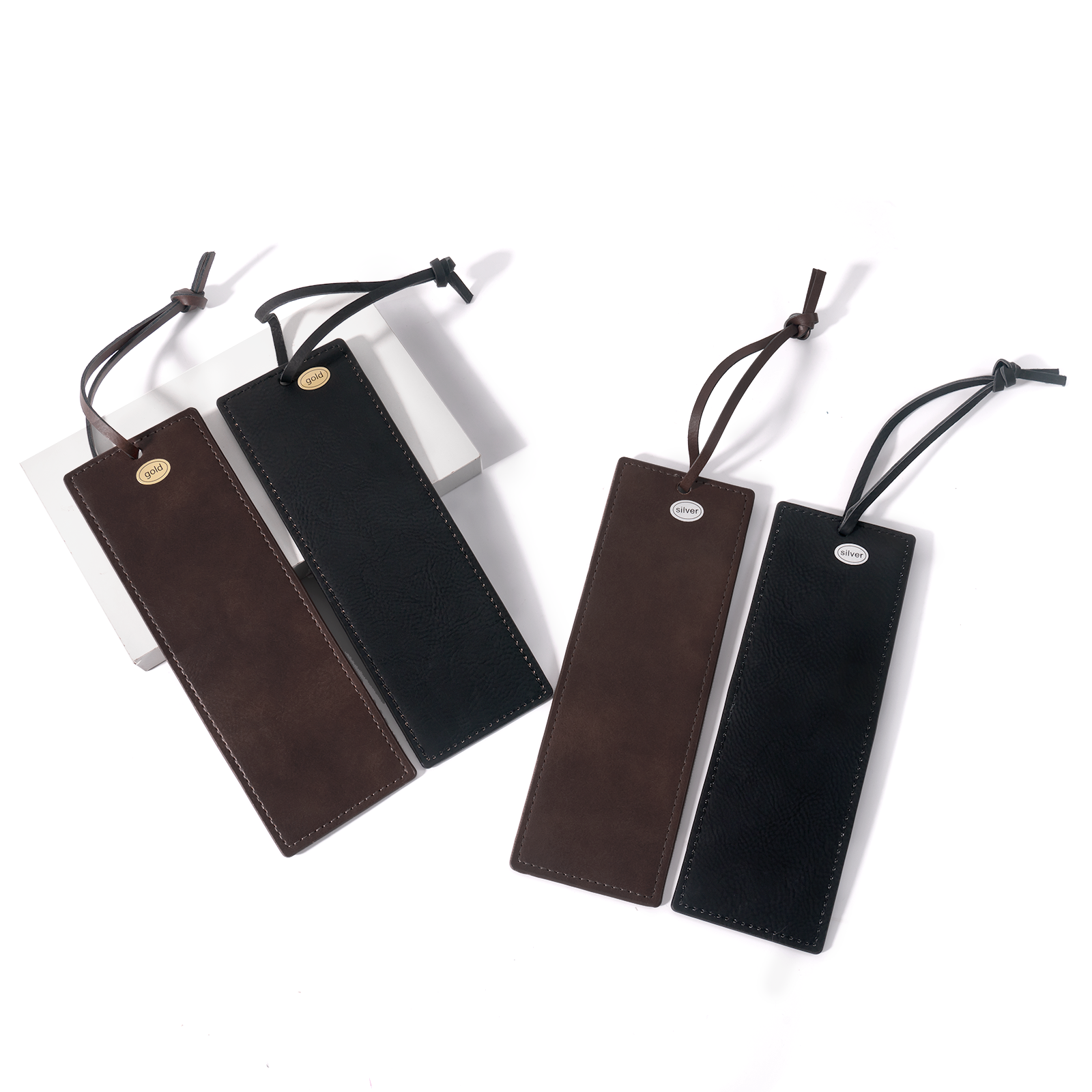
No more hunting for the right blanks and film.

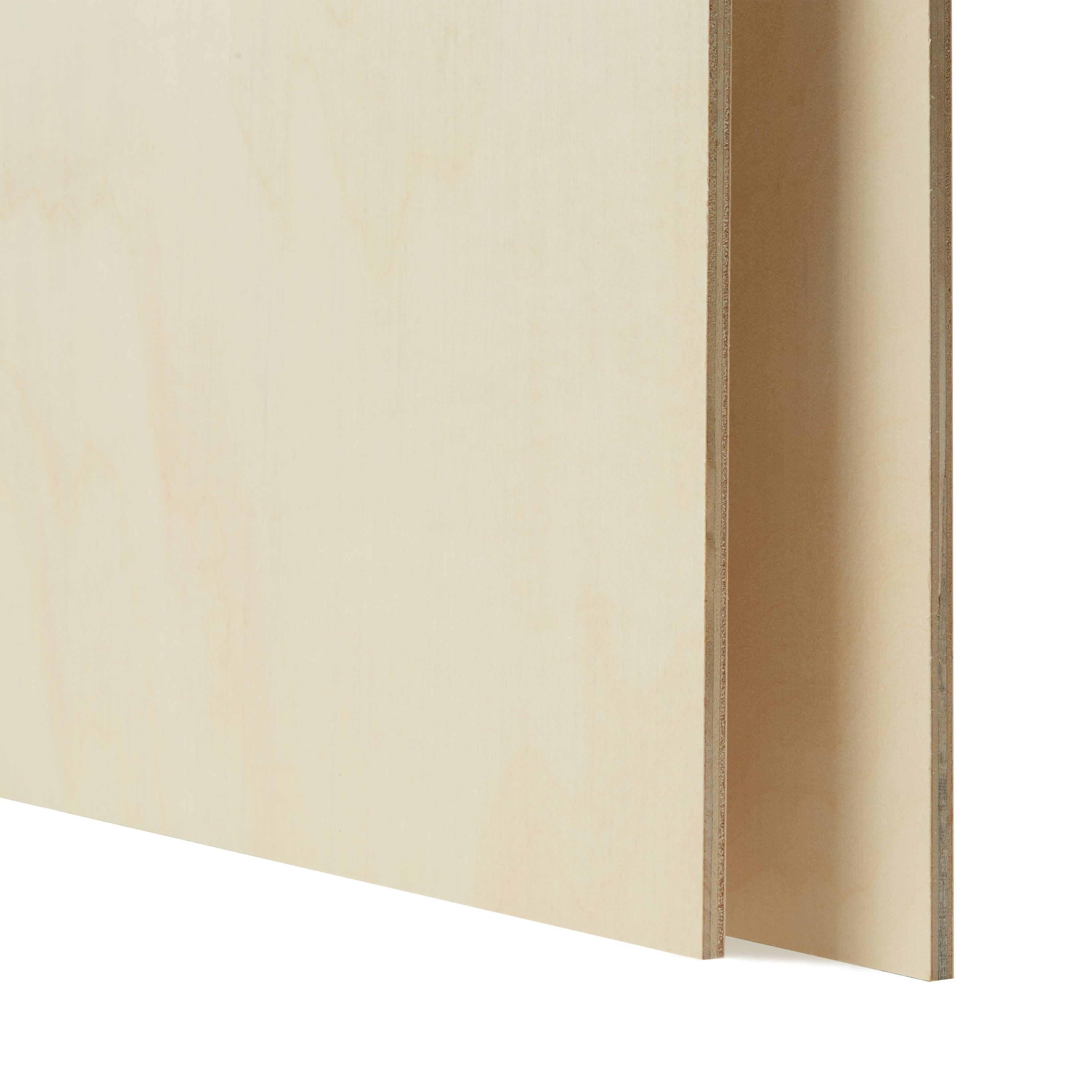
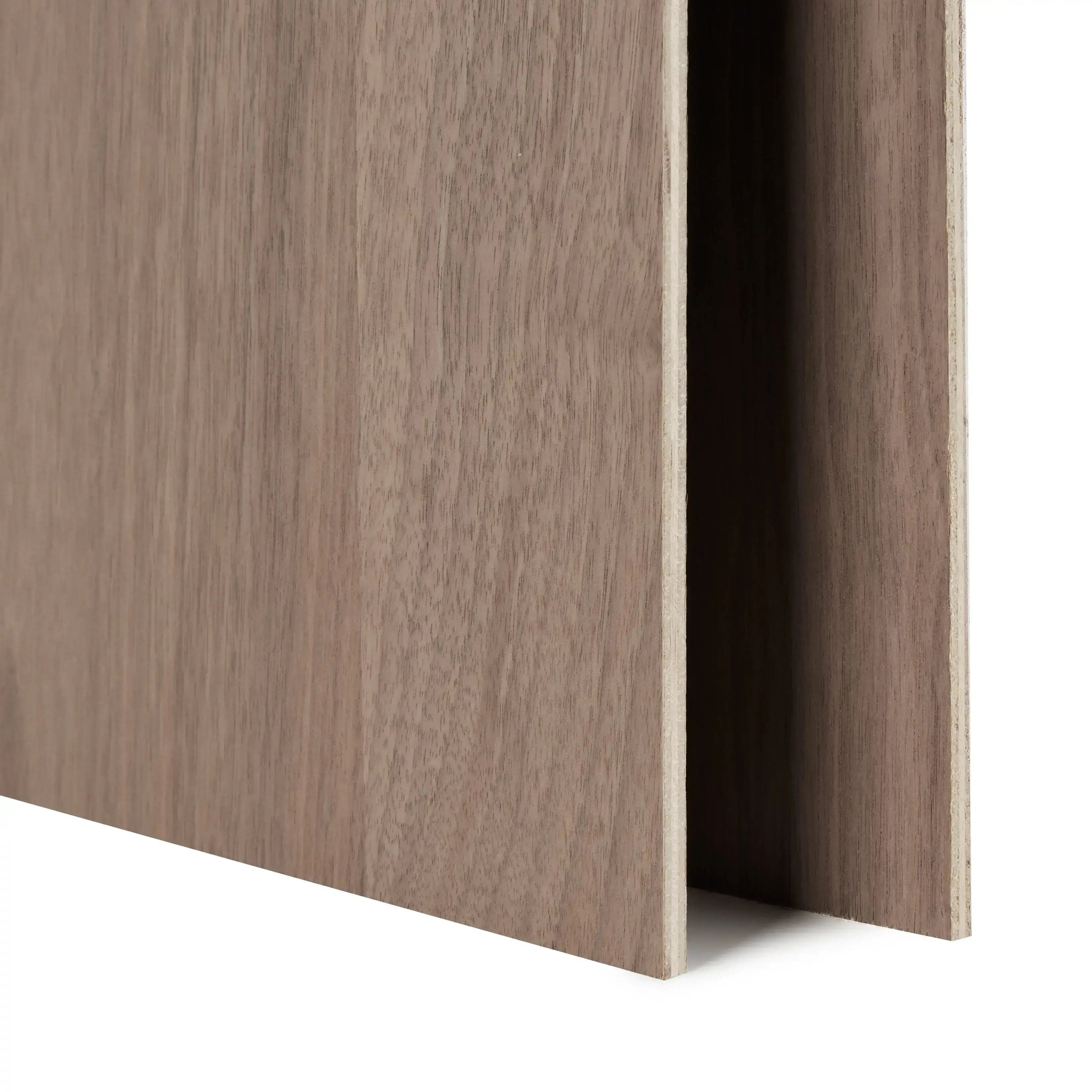
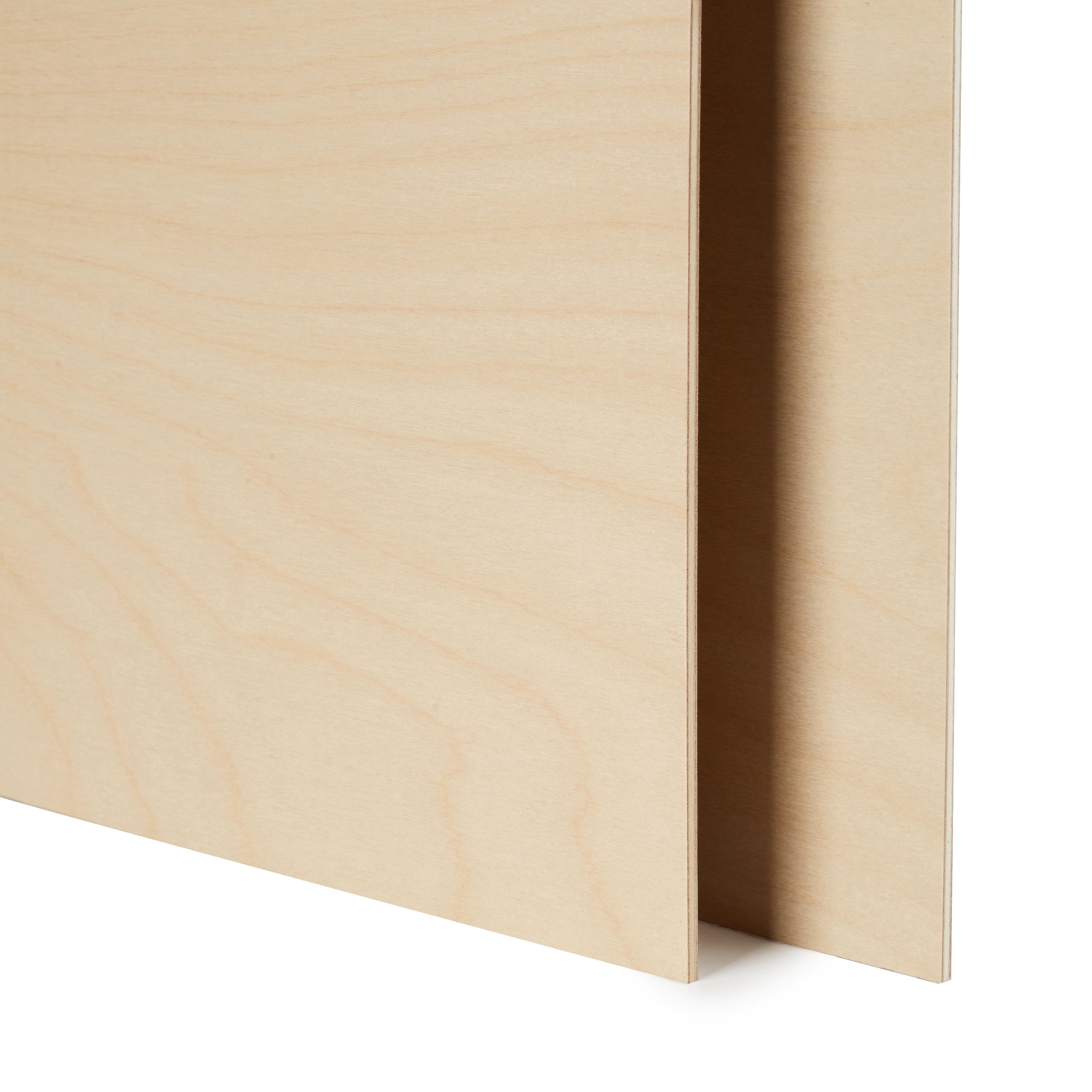
Blanks, boards, films and canvas — all UV printable on O1. Wipe hard surfaces with primer, then print.
Curved drinkware prints too — add the Rotary Attachment.
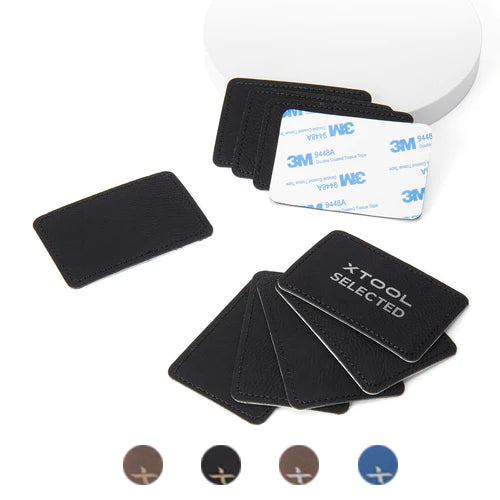
For fabric, leather and other soft materials, print with Flexible White(Dual UV version only) .


 % off
% off
% off
% off
% off
% off
% off
% off
% off
% off
% off
% off
7 % off
% off
% off
% off
% off
% off
% off
% off
% off
% off
% off
% off
% off
% off
7 % off
% off
 % off
% off
 % off
% off
Print on A film, laminate with B film using a laminator, peel and press onto any hard surface. Curved, textured or irregular—the label conforms. No heat, no water, no weeding.
Foiling, two ways. For foiled crystal labels: print your design + UV foiling oil onto A film, weed, laminate on the foil, and transfer. For foiled boards: print foiling oil onto thin boards and laminate. Both need a laminator.
% off
% off
% off


Print directly on cotton (DTG) or transfer with DTF film. Colors stay soft and hold up wash after wash.
Upload any image and let Atomm's free AI generators do the heavy lifting—from auto cutouts and 3D effects to print-ready artwork. Customize with live previews, then print in one click.
Graphics
Backgrounds
Color
% off
% off
% off
% off
Your next big idea shouldn't wait on materials. Tell us what you wish you could print on — dreamy colors, new textures, blanks, films — and we'll bring the most-wished-for ones to life first. Be the first to know when they arrive.
O1 Materials FAQs
Most materials here work across all three O1 editions. Fabric printing needs the UV + DT Fabric Edition; fluorescent and flexible-white materials (like leather and 3D TPU decals) need the Dual-Head UV Edition. Rigid blanks and standard UV DTF decals work on every edition.
If you have questions about the materials compatible with your machine or the required accessories, you can consult this article and refer to the corresponding table to find all the information you need.
Whenever you UV print onto something smooth and non-porous — acrylic, metal, glass, ceramic. A quick wipe of primer first helps the ink stick, so your design won't smudge or peel.
Yes — use UV DTF decals to wrap curved surfaces, or the Rotary for direct cup printing.
Soft, bendable materials like fabric and leather. On these, Rigid White ink cracks as the material flexes, so they can only be printed with Flexible White. Since Flexible White is available on the Dual-Head UV Edition, that's the recommended choice for these materials. >Read this article to get more information
You'll need A film + B film, a laminator, and your artwork — the laminator bonds the two films into one finished decal. In short: print your design on the A film, load the B film onto the laminator with heat on, feed the A film through to laminate the two together, then cut, apply, and peel.
Want the full walkthrough? Follow the step-by-step guide →