WonderPress Ideas Start Here
Every material it takes, grouped by module — nothing between idea and finished piece.

Press it, form it, bend it into something real.
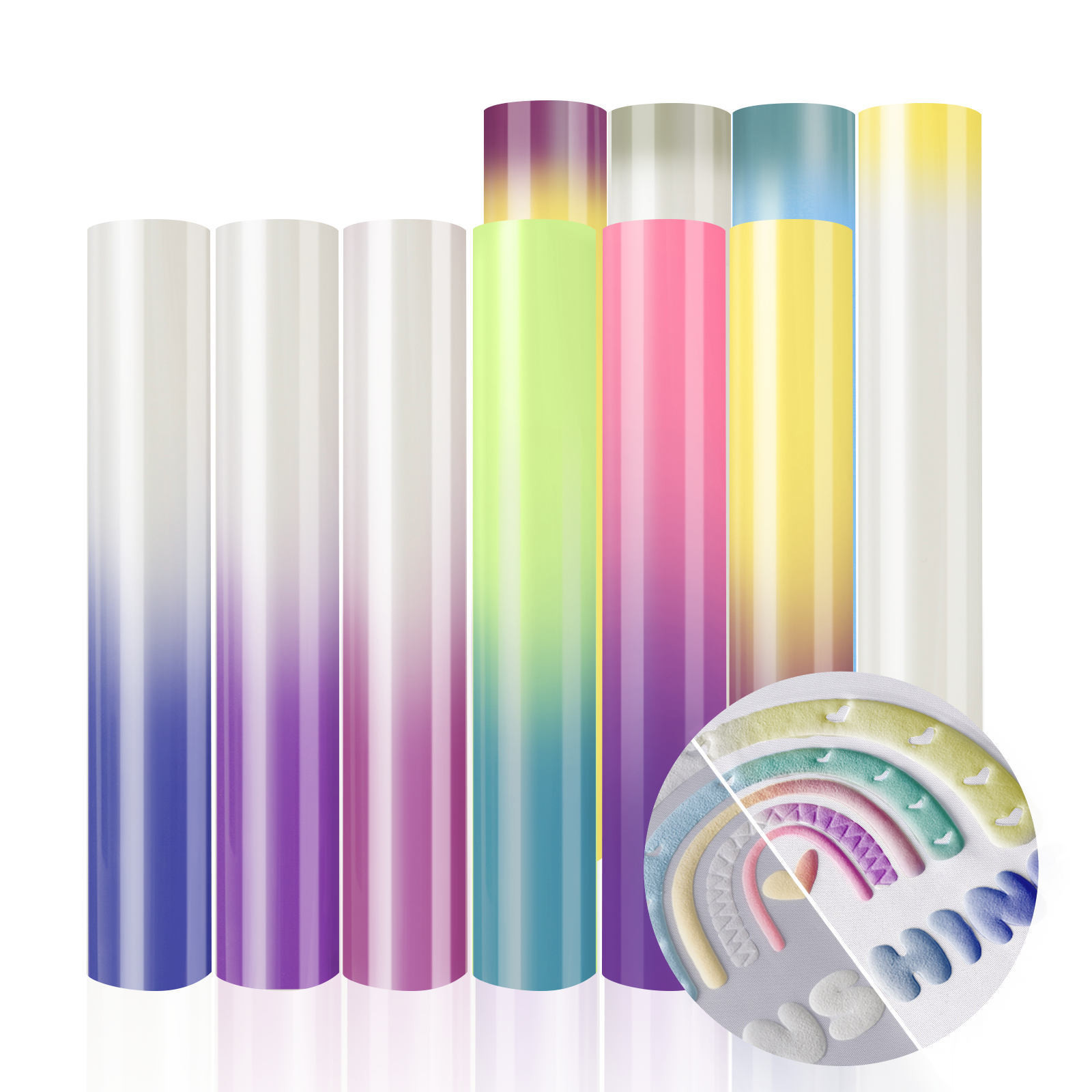
Printed sublimation paper dyes coated blanks — keychains, magnets, metal signs. Pre-cut vinyl survives the wash. DTF film goes onto fabric. And acrylic, the new trick: warm it, shape it over a mold, the curve stays.
 % off
% off
% off
% off
% off
% off
% off
% off
% off
% off
% off
% off
% off
% off

 % off
% off
% off
% off
% off
% off
% off
% off
% off
% off
% off
% off
 % off
% off
% off
% off
% off
% off
 % off
% off
% off
36 % off
% off
% off
% off
36 % off
% off
35 % off
% off
% off
% off
% off
% off
% off
% off
% off
% off
% off
% off
36 % off
% off
% off
% off
36 % off
% off
35 % off
% off
% off
% off
% off
% off
% off
% off
% off
 % off
36 % off
36 % off
% off
% off
% off
% off
36 % off
36 % off
% off
% off
% off
 % off
% off
% off
% off
% off
% off
% off
% off
% off
% off
In 3D Sublimation, printed film wraps a coated blank and heat drives the ink in — over the curve, no seams, no white edges.
In Vacuum Forming, a heated film sheet pulls tight over an object and holds the shape — keep the shell, or cast plaster, resin or wax.
% off
% off
% off
% off
% off
% off
% off
% off
% off
% off
Mugs and tumblers take color all the way around — hold the transfer with a silicone jig or a heat shrink film. Shrink plastic bakes down into hard little charms. And DTF film cures here before it goes to the press.
% off
 % off
% off
% off
% off
% off
% off
% off
% off
% off
% off
% off
% off
% off
% off
 % off
% off
% off
% off
Know Before You Press
Now Stock the Bench
% off
% off
% off
% off
% off
Three rules cover almost everything. Flat and needs pressure — apparel, keychains, metal signs, slate, fridge magnets — goes on the Heat Press. Round or dimensional and only needs heat — mugs and tumblers — goes in the Craft Oven. Anything wrapped over a curve or vacuum-formed — phone cases, badges, custom molds — goes on 3D Form.
If you have questions about the materials compatible with your WonderPress, you can read this article and refer to the corresponding tableto find all the information you need.
No. Sublimation only bonds to polyester or a sublimation-coated surface; on untreated cotton the color won't hold. For 100% cotton, use HTV or DTF instead. DTF carries its own white base layer, so it works on dark garments too.
PVC and other vinyl-chloride materials — heating them releases corrosive fumes. Anything of unknown composition: unlabeled foam, unbranded film, mystery plastic. No food, in any module, ever. And nothing flammable, explosive, sealed or pressurized — WonderPress reaches up to 400°F. Note that printable adhesive vinyl is not the same thing as heat-press-safe vinyl, so check the spec before you buy.
Start from the built-in presets, but treat them as a starting point — sheet thickness, batch variation and even room humidity move the result, so run one test piece before a full batch. Check whether your film is hot-peel or cold-peel; peeling at the wrong moment looks exactly like a temperature problem and costs people hours of re-tuning. Then let the finished piece cure 24 hours before its first wash — inside out, cold water, gentle cycle, no dryer, no fabric softener.
It depends on the material. HTV needs no printer at all — cut, weed, press. Sublimation blanks need a sublimation printer and sublimation paper. Phone cases and badges need a sublimation printer plus sublimation transfer film, which is not the same as flat sublimation paper — check your printer takes that sheet size before you buy. DTF transfers need a DTF printer and hot-melt adhesive powder.